2 CIC Orders Tell UGC and CBSE: Ramps, Toilets, Wheelchairs Must Reach Every Campus
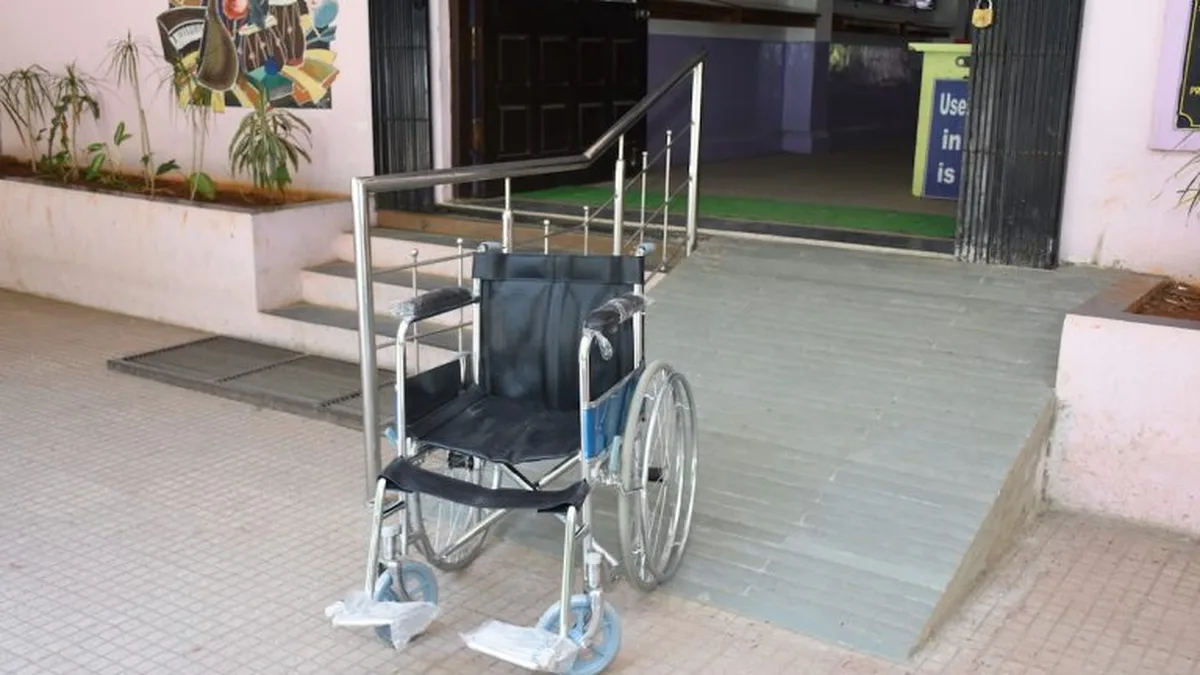
Two orders from the Central Information Commission (CIC) have put a simple question to every university and school in India: can a student in a wheelchair enter your building, reach a classroom, and use a toilet on campus? If not, the CIC says, that is a right being denied today.
The orders, passed by Information Commissioner Sudha Rani Relangi, ask the University Grants Commission (UGC) and the Central Board of Secondary Education (CBSE) to set up monitoring, so ramps, wheelchairs and accessible toilets are present on the ground, not just promised on paper. Reported by PTI on November 2, they come from two RTI appeals about institutions in Bihar.
How a Bihar complaint reached the CIC
In the UGC case, the applicant wanted inquiry reports and action taken on a complaint about missing facilities in colleges affiliated with Babasaheb Bhimrao Ambedkar Bihar University. The university told the CIC that ramps had been built to its administrative building and key departments, and that separate accessible toilets for men and women with disabilities were under construction.
The university also said it had told all constituent and affiliated colleges to provide ramps with handrails, accessible toilets, lifts where needed, designated parking, suitable library facilities and wheelchairs, and to report the actual status of each facility.
In the CBSE case, the applicant had asked what action was taken on complaints about accessibility in private and government schools in Bihar and the Delhi-NCR region. CBSE told the CIC it had already issued mandatory guidelines to all affiliated schools on provisions for children with special needs. The CIC accepted the replies as proper under the RTI Act, but stressed the larger public interest: the educational rights of children with special needs.
What the CIC asked UGC and CBSE to do
For higher education, the CIC recommended that the UGC issue guidelines for barrier-free access under the Rights of Persons with Disabilities Act, 2016, and ensure approved universities follow them strictly. The CIC did not write a new rule itself. It used Section 25(5) of the RTI Act, 2005, which lets it recommend steps when it sees a problem in how a law is working.
On schools, the CIC recommended that CBSE issue directions to affiliated schools and build a monitoring mechanism, so no eligible child loses prescribed facilities because a school filed the guideline away and did nothing.
A ramp at the gate is not a favour to one student. It decides whether that student can attend class at all.
Why this reaches far beyond Bihar
Bihar is where these appeals began, but the recommendations go to UGC and CBSE as national bodies, so they matter to students in every state. It is the same follow-through problem seen in other recent UGC directions, from the BRICS Sustainable Lifestyle Week running in colleges from November 1 to 7 to the UGC NET December 2026 correction window, open till November 4.
What to check on your own campus
You need not wait for a new guideline to judge your institution. Walk the route a wheelchair user would take, from gate to classroom, library and toilet:
- A ramp with handrails at the main entrance, not a slope ending at a locked door
- An accessible toilet that is open and usable, not a store room
- A lift to upper-floor classrooms, or classes arranged on the ground floor
- Designated parking near the entrance, and a wheelchair available where needed
- Library access that does not stop at a staircase
If one is missing, complain in writing to the college or school office and keep a copy. Ask for a dated reply on what will be built and when. For a public institution, an RTI application can seek the same facts the Bihar applicant sought. That paper trail turned one complaint into two national recommendations.
What happens next
Neither order sets a deadline in the reports published so far, and neither body has announced new guidelines yet. Watch the official UGC website and the official CBSE website. Any new circular will come from those portals, not social media forwards.
The CIC has left a clear test: guidelines alone are not enough. Someone must verify that a ramp exists, a toilet works, and a wheelchair is available.
Frequently asked questions
What has the CIC asked UGC and CBSE to do?
Set up monitoring so universities, colleges and schools actually provide ramps, wheelchairs and accessible toilets, and follow the Rights of Persons with Disabilities Act, 2016.
Is this a new law for colleges and schools?
No. The CIC made recommendations under Section 25(5) of the RTI Act, 2005, in two separate orders. It asked UGC to issue guidelines for barrier-free access and CBSE to issue directions to its schools, with checks on whether they are followed.
Which case led to these orders?
Appeals over missing accessibility facilities in Bihar institutions, including colleges affiliated with Babasaheb Bhimrao Ambedkar Bihar University and schools in Bihar and Delhi-NCR.
What should a student do if their campus has no ramp or accessible toilet?
Raise it in writing with the administration, keep a copy, and ask what the institution has reported as the actual status of its facilities. Public institutions can also be asked through an RTI application.
Frequently Asked Questions
What has the CIC asked UGC and CBSE to do?
Set up monitoring mechanisms so universities, colleges and affiliated schools actually provide ramps, wheelchairs and accessible toilets for students with disabilities, and follow the Rights of Persons with Disabilities Act, 2016.
Is this a new law for colleges and schools?
No. The CIC made recommendations under Section 25(5) of the RTI Act, 2005, in two separate orders. It has asked UGC to issue guidelines for barrier-free access and CBSE to issue directions to its schools, with checks on whether they are followed.
Which case led to these orders?
Appeals over missing accessibility facilities in Bihar institutions, including colleges affiliated with Babasaheb Bhimrao Ambedkar Bihar University and schools in Bihar and Delhi-NCR.
What should a student do if their campus has no ramp or accessible toilet?
Raise it in writing with the college or school administration, keep a copy of the complaint, and ask what the institution has reported as the actual status of its facilities. Public institutions can also be asked for this information through an RTI application.