
29 JNU centres offered zero SC, ST PhD seats, alleges SFI: reservation row hits 2026-27 admissions
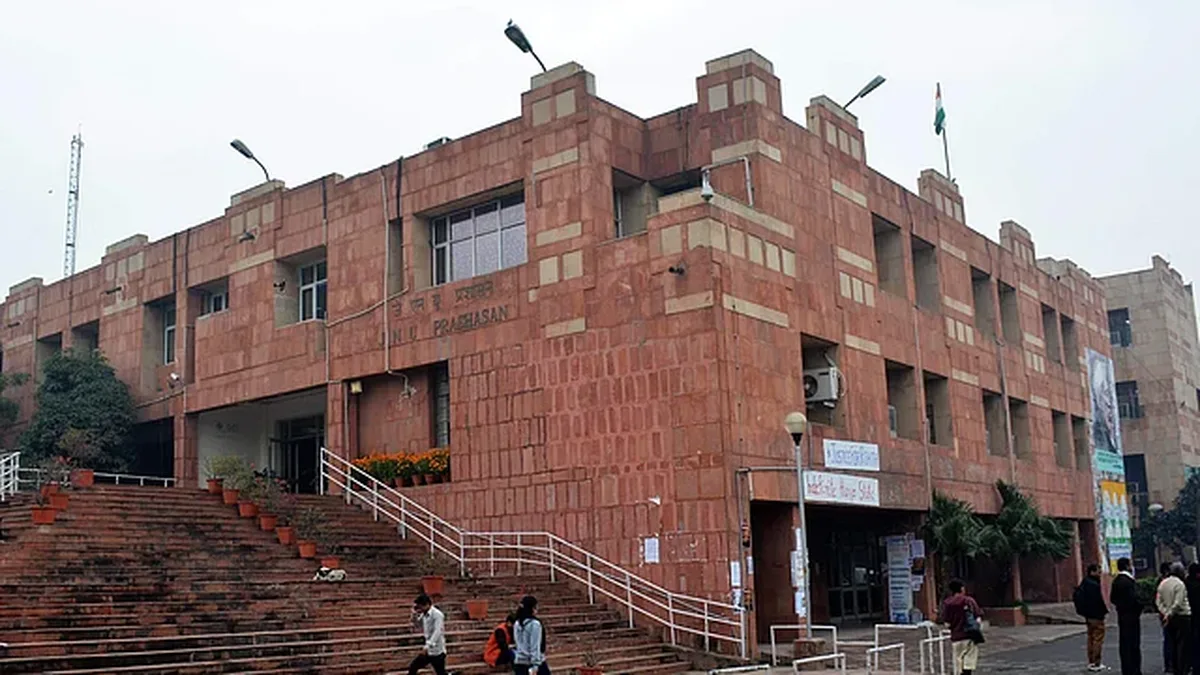
Twenty-nine centres at Jawaharlal Nehru University offered not a single PhD seat to SC or ST candidates this year, the Students’ Federation of India (SFI) alleged on Wednesday, October 28, opening a reservation row over JNU PhD admissions 2026-27 just days before the viva-voce round begins.
The allegation came at a press conference at the Press Club of India in New Delhi. SFI leaders said the PhD prospectus falls short of the reservation required by law for Scheduled Caste (SC), Scheduled Tribe (ST) and persons with benchmark disabilities (PwBD) candidates, and demanded immediate correction. The student body says the National Commission for Scheduled Castes (NCSC) and the National Commission for Scheduled Tribes (NCST) have both taken note of its complaint.
The numbers SFI is pointing to
SFI says JNU advertised 711 regular PhD seats for the 2026-27 session across three admission channels: UGC-NET, UGC-NET-JRF and GATE. Against that total, the organisation puts the shortfall like this:
- ST seats: 38 advertised, against about 53 required under the 7.5 per cent reservation norm. Shortfall: around 15 seats.
- SC seats: 103 advertised, against about 107 required under the 15 per cent norm. Shortfall: 4 seats.
- PwBD seats: 17 advertised, against about 36 required under the 5 per cent norm. Shortfall: around 19 seats.
These are SFI’s calculations from the prospectus, reported by PTI and several news outlets. The reports did not carry a response from the university, so the allegation remains just that for now: an allegation, not a finding.
Why small centres end up with zero reserved seats
SFI blames what it calls a “micro-unit” method of seat allocation. Under this method, reservation percentages are worked out centre by centre, and discipline by discipline, instead of across the university’s total intake.
The problem shows up in small centres. A centre offering only one, two or three PhD seats can end up with no seat for an ST candidate once the percentage is applied to such a small number. Split the seats further across the NET, NET-JRF and GATE channels, and the reserved share shrinks again. SFI says this is how 29 centres ended up advertising zero seats for SC and ST candidates.
SFI has also questioned the de-reservation of vacant reserved seats in previous cycles, and says an RTI application it filed on September 23 seeking 2025-26 PhD admission details was turned away as “voluminous”.
NCSC notice: the timeline so far
The commissions’ involvement is now the sharp end of the row. SFI says it filed its complaint with the NCSC on September 29. The timeline it gave at the press conference:
- September 29: SFI files its complaint with the NCSC.
- October 8: The NCSC issues a notice to the JNU Registrar, seeking facts and details of action taken.
- October 23: The deadline for the university’s reply passes without a response, SFI says.
- October 27: The NCSC issues a fresh communication, asking JNU to respond or act within seven days.
That seven-day window runs into the first week of November, just as admissions move into their next stage.
“The university must correct the shortfall now, not after admissions are over. Reserved seats lost in this round cannot be recovered later.”
What SFI wants, and why the timing matters
SFI’s demands are straightforward: correct the alleged shortfalls in the ongoing cycle, publish a transparent reservation roster and category-wise admission data, and fill backlog vacancies through a special drive.
It has also set a condition on the next step. If the university goes ahead with viva-voce examinations, SFI says, it should run a special drive to fill backlog seats. Otherwise, the process should be put on hold until corrected seats are notified. A process being put on hold mid-cycle is not unheard of: the AIAPGET 2026 counselling was put on hold earlier this week, though for different reasons.
The timing is tight. JNU’s revised PhD schedule puts the viva-voce round from October 30 to November 5, 2026, with the first merit list expected around November 13. The JNU admission portal carries the revised schedule, and the official PhD e-prospectus for 2026-27 lists programme-wise seats and eligibility.
For SC, ST and PwBD aspirants, the practical point is simple: watch the roster and the merit lists closely. If seats are revised, the correction will show up there first.
What happens next
Three things will decide where this row goes: whether JNU replies to the NCSC within the seven-day window, whether the viva-voce round starting October 30 goes ahead as scheduled, and whether any corrected seat matrix appears before the first merit list. The UGC fee-refund rule warning to colleges this month showed central regulators do act when norms are ignored. For now, JNU’s PhD aspirants are waiting for the university’s answer.
Frequently asked questions
What has SFI alleged about JNU PhD admissions 2026-27?
SFI alleges that JNU advertised fewer seats than required for SC, ST and PwBD candidates in its PhD prospectus for 2026-27, including 29 centres that offered no seats at all for SC or ST applicants.
How many PhD seats did JNU advertise for 2026-27?
According to SFI, JNU advertised 711 regular PhD seats across three channels: UGC-NET, UGC-NET-JRF and GATE.
What has the NCSC asked JNU to do?
SFI says the National Commission for Scheduled Castes issued a notice to the JNU Registrar on October 8, and after no reply by October 23, sent another communication on October 27 asking the university to respond or act within seven days.
What does SFI want JNU to do now?
SFI wants the alleged shortfalls corrected, a transparent reservation roster and category-wise admission data published, and backlog vacancies filled. It says the admission process should be put on hold until corrected seats are notified, unless a special drive fills the backlog.
Frequently Asked Questions
What has SFI alleged about JNU PhD admissions 2026-27?
SFI alleges that JNU advertised fewer seats than required for SC, ST and PwBD candidates in its PhD prospectus for 2026-27, including 29 centres that offered no seats at all for SC or ST applicants.
How many PhD seats did JNU advertise for 2026-27?
According to SFI, JNU advertised 711 regular PhD seats across three channels: UGC-NET, UGC-NET-JRF and GATE.
What has the NCSC asked JNU to do?
SFI says the National Commission for Scheduled Castes issued a notice to the JNU Registrar on October 8, and after no reply by October 23, sent another communication on October 27 asking the university to respond or act within seven days.
What does SFI want JNU to do now?
SFI wants the alleged shortfalls corrected, a transparent reservation roster and category-wise admission data published, and backlog vacancies filled. It says the admission process should be put on hold until corrected seats are notified, unless a special drive fills the backlog.