2027 first batch in sight: NCTE sets up 2 panels to open CTET, STET for ITEP graduates
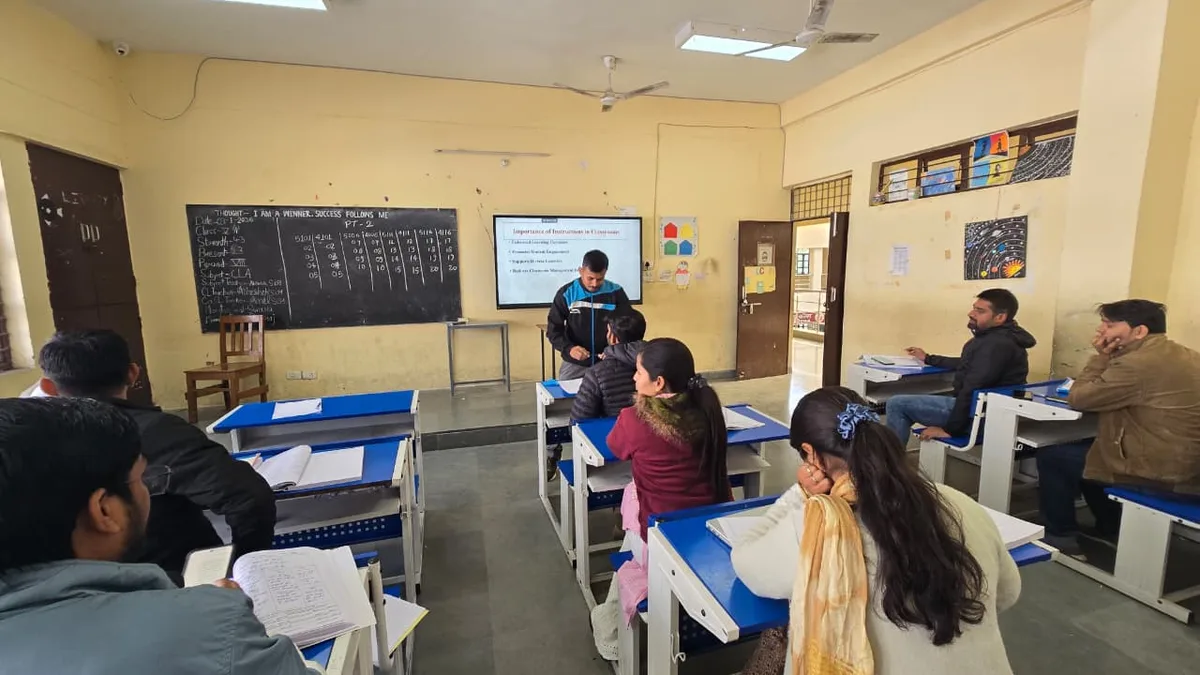
Students in India’s first four-year teacher training degree are a step closer to a clear path into classrooms. The National Council for Teacher Education (NCTE) has set up two expert panels to change the rules so graduates of the Integrated Teacher Education Programme (ITEP) can sit the Central Teacher Eligibility Test (CTET) and State Teacher Eligibility Tests (STET) and apply for school teaching posts.
Right now, there is a gap in the system. NCTE recognises ITEP as a teacher training programme, but the recruitment rules and the eligibility tests do not list it as a qualifying degree. The two panels have been asked to close that gap before the first ITEP batch finishes in May-June 2027.
Two panels, two different jobs
One panel will look at teacher recruitment rules. It was set up through an NCTE order dated October 8 and has 12 members, chaired by former IAS officer Prof Nirmaljeet Singh Kalsi. It will review the 2014 regulations on minimum qualifications for school teacher recruitment and draft an amendment adding ITEP as a minimum qualification. It must send that draft to the NCTE chairperson within 30 days of the order.
Also on this panel: the school education department, CBSE, Kendriya Vidyalaya Sangathan, Navodaya Vidyalaya Samiti, the Rehabilitation Council of India, Haryana’s school education council and Delhi University academics. The October 8 order spoke of an urgent need to bring ITEP into the recruitment rules, so recruitment qualifications stay in step with the programmes NCTE itself recognises.
“The qualifications prescribed for teacher recruitment must remain aligned with the teacher education programmes recognised by NCTE.” (NCTE order, October 8, as reported.)
A second panel will look at the eligibility tests. It was set up through an order dated October 12 and has 10 members. Retired Delhi University professor Chand Kiran Saluja chairs it. This group will review the CTET and STET eligibility guidelines and suggest changes that let ITEP graduates appear for these exams, for primary and upper-primary levels (Classes 1 to 5 and Classes 6 to 8). NCERT, the school education department, CBSE, Kendriya Vidyalaya Sangathan, Navodaya Vidyalaya Samiti and Delhi University academics are on it. Reports say this panel was asked to send its recommendations and proposed changes to NCTE by October 31, 2026.
What ITEP is, and why this change was needed
ITEP is a four-year integrated teaching degree that a student can join straight after Class 12. It started in the 2023-24 academic session under the National Education Policy (NEP) 2020, and it mixes subject study with professional teacher training.
That is a break from the older path, where a student first finished a separate degree and then did a two-year B.Ed. But a degree alone does not get a person into a government school classroom. A candidate must also clear a teacher eligibility test and meet the recruitment rules. Since those rules did not name ITEP, the first batch faced a strange situation: a recognised teaching degree that the eligibility tests did not yet accept.
The scale of the programme makes the fix urgent. Reports citing the October 12 order put ITEP at 409 recognised institutions, with a combined intake of 38,850 students across 777 units. Those students will look for teaching posts from mid-2027, so the rules need to be ready before they graduate.
What will not change
Students doing the older courses need not worry. The proposed change adds ITEP to the existing list of qualifications. It does not remove D.El.Ed, B.Ed, B.El.Ed or the four-year integrated B.A.Ed and B.Sc.Ed programmes, and candidates must still clear the relevant eligibility test and meet any other conditions set by the recruiting authority.
NEP 2020 also has a longer-term aim: a four-year integrated teaching degree becoming the minimum qualification for school teachers by 2030. The current move is a smaller step towards that aim. It fixes the rulebook so the new degree works in practice.
What ITEP students should do now
First, do not assume you are already eligible. An NCTE official has made it plain in reports that ITEP graduates cannot apply for the covered teaching posts, or sit CTET and STET on the basis of this degree, until the changes are formally notified. A panel being set up is not the same as a rule being changed.
Second, watch for the actual notification. Once NCTE examines the panels’ suggestions and notifies the amended rules, the change becomes real. Check the official NCTE website for it.
Third, keep your own plan on track. If you are in ITEP, focus on finishing the course well. If you are in Class 12 and thinking about teaching, compare ITEP with the older degree-plus-B.Ed route on course length and fees. Our education news section tracks each update as it is notified, including the UGC NET December 2026 correction window that closes today and other teacher training updates.
Fourth, when the CTET notification comes, read the eligibility section first. Candidates will apply through the official CTET portal, and that notification’s rules will be final for that exam cycle. State tests will follow their own state notifications.
What happens next
The panels’ suggestions will go to NCTE, which will examine them and notify the amended rules, expected before the first batch graduates in May-June 2027. Until that notification appears, the honest position is simple: the door is opening, but it is not open yet.
Frequently Asked Questions
Can ITEP graduates apply for CTET and STET right now?
No. The panels are only reviewing the rules at this stage. ITEP graduates will become eligible only after NCTE notifies the amended rules, which is expected before the first batch graduates in May-June 2027.
What is ITEP?
ITEP is a four-year integrated teacher training degree that students can join directly after Class 12. It combines subject study with teacher training, unlike the older route of a separate degree followed by a two-year B.Ed.
Will ITEP replace B.Ed and D.El.Ed?
No. The proposed change only adds ITEP to the list of recognised qualifications. B.Ed, D.El.Ed, B.El.Ed and integrated B.A.Ed and B.Sc.Ed courses will stay valid.
Which classes will the new CTET and STET eligibility cover?
The second panel is reviewing eligibility for primary and upper-primary levels, which means teaching posts for Classes 1 to 5 and Classes 6 to 8.