After 8 Years, Odisha Colleges Vote on October 15: Rs 5,000 Cap, AI Fakes Banned
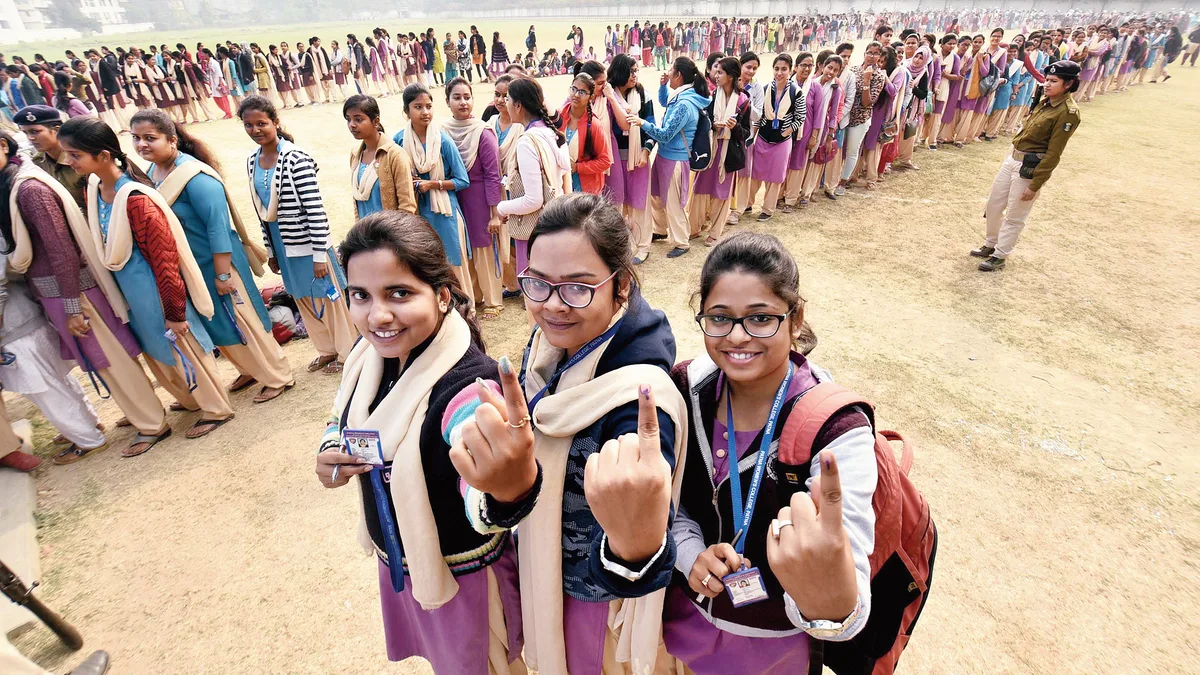
For the first time since 2017, students in Odisha’s colleges and universities will choose their own union representatives this October. The state government has announced polling on October 15, ending an eight-year wait, with strict new rules on spending and campaigning.
Higher Education Minister Suryabanshi Suraj announced the schedule on Monday, October 5, after a meeting with Chief Minister Mohan Charan Majhi at Lok Seva Bhawan in Bhubaneswar. The elections will cover state public universities and government and aided degree colleges for the 2026-27 academic session. The notification goes out today, October 7.
The 10-day countdown starts today
Officials have kept the entire process tight on purpose. A long election schedule, they say, could disturb classes and academic work. The countdown runs like this:
- October 7 (today): colleges and universities issue the election notification.
- October 9: nominations are filed between 10 am and 1 pm, checked between 2 pm and 4 pm, and the list of valid candidates is published at 5 pm.
- October 10: candidates can withdraw their names between 10 am and 1 pm; the final list is out at 3 pm.
- October 14: the “Why I Stand For” meeting, where candidates speak about their plans to fellow students.
- October 15: polling from 8 am to 2 pm, followed by counting and result declaration from 2 pm.
- October 16: oath-taking ceremony for the newly elected representatives at 11 am.
Campaigning must stop 24 hours before polling ends, which means silence from 2 pm on October 14 to 2 pm on October 15.
The elections will follow the Lyngdoh Committee recommendations, the national framework for student elections in Indian universities.
Who can contest and who can vote
Only regular full-time students admitted through SAMS can take part, either as candidates or as voters. Students in distance education or self-financing courses under PPP mode are not eligible in any capacity.
Age limits are strict. Undergraduate candidates must be between 17 and 22 years of age, while postgraduate candidates can contest up to the age of 25, counted on the date of notification. Every candidate must also have at least 75% classroom attendance, no academic arrears in the year of contesting, and no criminal record or pending disciplinary case. A student can contest for an office-bearer post only once, and for an executive member post twice.
Campaigning with tight leashes
This is where Odisha has set some of the strictest rules seen in recent student elections anywhere in India.
Each candidate can spend a maximum of Rs 5,000. After the results, candidates must submit their expenditure details to the college or university within two weeks. The institution will then upload these on the HIMS portal. Breaking the spending limit can even lead to cancellation of the election.
Money from political parties is completely banned. Candidates can only use voluntary contributions. The notification requires complete disassociation of student elections from political parties.
Printed posters and pamphlets are not allowed. Candidates may use handmade posters instead. Processions, rallies, and public meetings outside the campus are prohibited, and even meetings inside the campus need prior written permission from the college authorities. Non-students cannot take part in the election process at all. In a first for Indian student elections, the code of conduct clearly bars false, misleading, manipulated, or AI-generated fake content on social media, along with indecent comments and personal attacks.
“The decision to hold campus polls is a key step towards nurturing youth leadership in our state. Reviving campus polls was also one of our major promises in the election manifesto,” Higher Education Minister Suryabanshi Suraj said after announcing the schedule.
The rules also ban appeals to caste or communal feelings, bribery or intimidation of voters, and canvassing within 100 metres of polling stations.
Why the gap lasted eight years
Regular student union elections were last held in Odisha in 2017. The 2018 cycle was cancelled after incidents of campus violence, then Cyclone Titli hit the state. After that, the COVID-19 pandemic and a change of government kept the process suspended.
The BJP had promised in its 2024 election manifesto to bring back student union elections after coming to power. The minister said the government needed time to review the situation on campuses first.
The announcement has already stirred reactions. The ABVP, the student wing of the RSS, took out marches across campuses to thank the state government. The NSUI, the Congress student wing, had earlier met the minister to demand that the polls return. BCJD president Ipsita Sahoo said her party had always supported student body polls. BJP spokesperson Anil Biswal blamed the former BJD government for the long delay.
Why everyone is watching
These polls are not just about college offices. The student wings of all three major political parties, ABVP, BCJD, and NSUI, have swung into action, reviving their campus networks and outreach. The parties see the elections as a chance to connect with Gen Z voters and understand their concerns.
For students, this is a rare window. An entire generation of undergraduates has passed through Odisha’s colleges without ever voting for a student representative. This October, they finally get that chance. Colleges elsewhere are buzzing with their own events this month too, from DU’s AVASAR 2026 placement drive to fresh admission updates across the education news circuit.
Students who plan to contest should watch their college notice board closely today. The notification sets the clock, and the window from nomination to polling is only ten days. The full schedule and eligibility rules are in the official press release by the Higher Education Department. For the wider picture of campus politics, the Indian Express report on the campus poll revival explains why all three parties are watching closely.
Frequently asked questions
When will the Odisha student union elections be held? Polling will take place on October 15, 2026, from 8 am to 2 pm, with counting and result declaration starting at 2 pm the same day. Colleges will issue election notifications on October 7.
Who can contest the student union elections in Odisha? Regular full-time students admitted through SAMS. Undergraduate candidates must be between 17 and 22 years old, and postgraduate candidates up to 25 years. Candidates need at least 75% attendance, no academic arrears, and no criminal record.
How much can a candidate spend on the campaign? A maximum of Rs 5,000. Candidates cannot take money from political parties and must submit their expenditure details to the college within two weeks of the result.
What are the campaigning rules for these elections? No printed posters or pamphlets (only handmade ones), no AI-generated fake content, no rallies or processions outside the campus, and canvassing must stop 24 hours before polling ends.
Frequently Asked Questions
When will the Odisha student union elections be held?
Polling will take place on October 15, 2026, from 8 am to 2 pm, with counting and result declaration starting at 2 pm the same day. Colleges will issue election notifications on October 7.
Who can contest the student union elections in Odisha?
Regular full-time students admitted through SAMS. Undergraduate candidates must be between 17 and 22 years old, and postgraduate candidates up to 25 years. Candidates need at least 75% attendance, no academic arrears, and no criminal record.
How much can a candidate spend on the campaign?
A maximum of Rs 5,000. Candidates cannot take money from political parties and must submit their expenditure details to the college within two weeks of the result.
What are the campaigning rules for these elections?
No printed posters or pamphlets (only handmade ones), no AI-generated fake content, no rallies or processions outside the campus, and canvassing must stop 24 hours before polling ends.