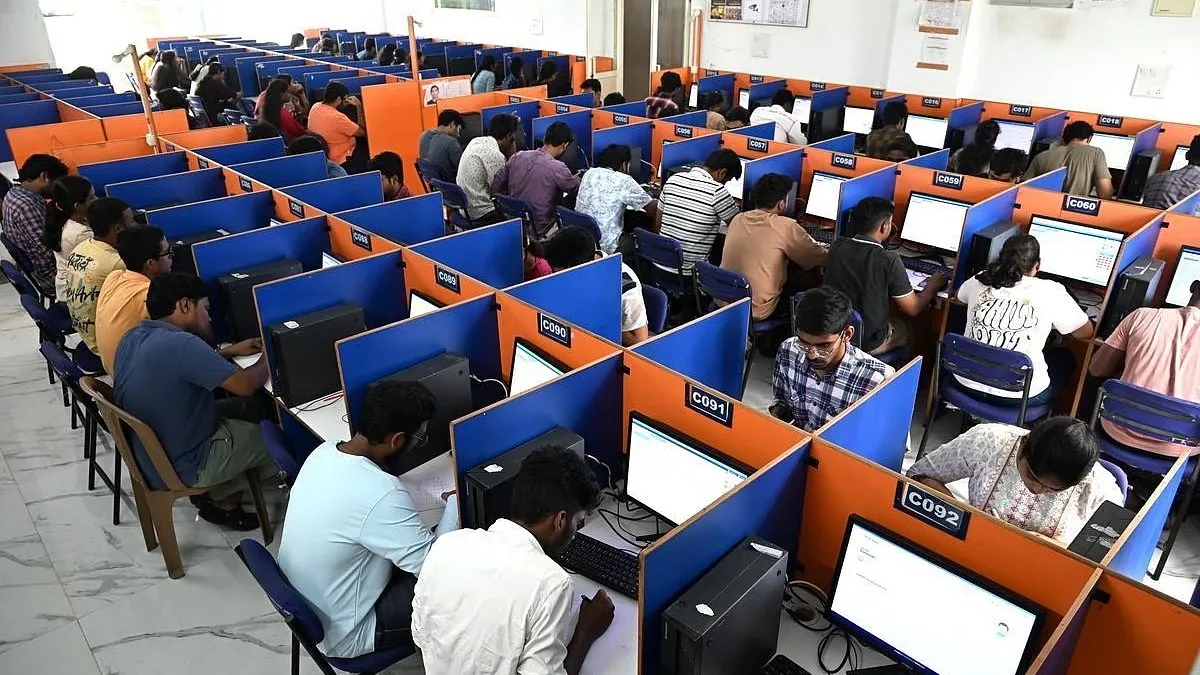
10,107 Girls Clear JEE Advanced 2026: Women's Success Rate Hits Six-Year High of 23.4%
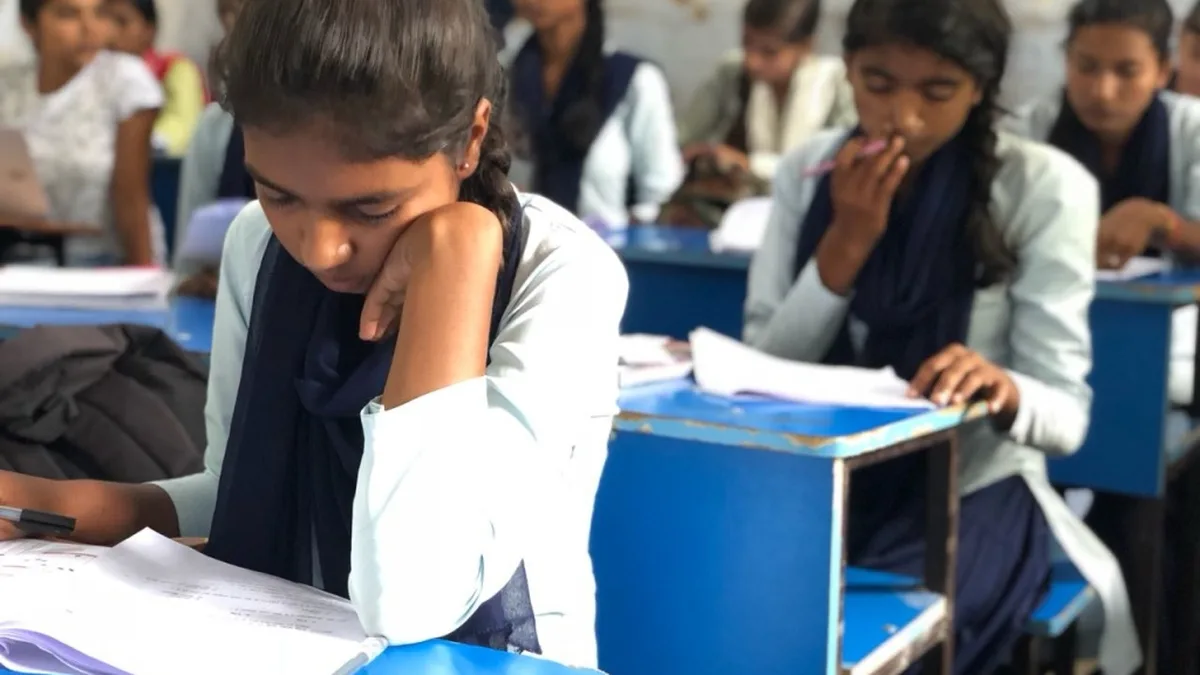
For the first time in six years, more than 10,000 women have qualified the Joint Entrance Examination (JEE) Advanced. The 2026 report shows 10,107 women clearing the exam, with the success rate rising to 23.4%, the highest in the six-year period the report covers.
The numbers come from the Joint Implementation Committee (JIC) report prepared by IIT Roorkee, which conducted JEE Advanced this year. The report tracks admissions data from 2021 to 2026, and this is the first time in that window that the women qualifiers count has crossed the 10,000 mark.
43,112 registered, 10,107 qualified
A total of 43,112 women registered for JEE Advanced 2026. Of these, 40,562 appeared in both Paper 1 and Paper 2, and 10,107 qualified. That means nearly one in four registered women cleared the exam, compared with roughly one in five last year.
The rise is steady but visible. Last year, 9,404 women qualified at a 21.7% success rate. This year added 703 more qualifiers and pushed the rate up by 1.7 percentage points. The JIC report also notes that among women who appeared in both papers, the qualification rate stood at 24.9%, the highest in the six years reviewed.
The top woman candidate scored 280 marks (101 in Mathematics, 86 in Physics and 93 in Chemistry) and secured All India Rank 77.
Only 37 women entered IITs through the open merit pool
Qualifying the exam is one thing. Getting an IIT seat is another. Of the 18,861 IIT seats allotted this year, women secured 3,851, or 20.22% of the total.
The bulk of these admissions came through women-only supernumerary seats: 3,814 seats were allotted under this scheme. Only 37 women managed to secure seats through the gender-neutral (open merit) pool.
The supernumerary seat scheme was introduced in 2018 to fix the gender imbalance in IITs, and on the numbers it has clearly worked: female representation is up from roughly 7 to 9% before the scheme to around 20% now. But the fact that barely 37 women entered through open merit shows the gap is still wide at the very top of the merit list.
Overall, women made up 17.76% of the 56,880 total qualifiers this year. That is progress from 2016, when only 4,570 women qualified, but it also shows how far the pipeline still has to go.
“The qualifying criteria were relaxed to ensure at least twice the number of candidates qualify as compared to available seats in each category,” the JIC report noted.
SC and ST success jumps, general category slips
The report also recorded a sharp improvement among reserved-category candidates. The qualification rate for Scheduled Caste candidates rose 9.8 percentage points from last year. In absolute numbers, 15,856 SC candidates qualified this year, against 12,499 in 2025.
For Scheduled Tribe candidates, the rate rose 8.1 percentage points, with 6,379 qualifying against 5,008 last year. The number of Economically Weaker Section (EWS) qualifiers also went up, from 6,291 to 6,377.
The general category moved the other way. The number of general-category qualifiers fell from 16,154 last year to 15,883, with the qualification rate dropping from 43% to 39.8%. For OBC-NCL candidates, the qualification rate slipped from 18.2% to 17.5%, and the number of qualifiers fell from 12,606 to 12,385.
What this means for JEE 2027 aspirants
The numbers carry a few clear messages for students preparing for entrance exam results season next year:
- The bar for women is rising, not falling. Registrations dipped slightly (43,112 vs 43,413 last year), but the success rate climbed. More women are not just appearing, they are converting.
- Supernumerary seats remain the main entry path for women. Aspirants should understand the scheme and the cut-offs under the female-only seat pool, not just the common rank list.
- Category cut-offs move. The SC/ST jump and the general-category dip show that qualifying rates shift year to year. Check the official JEE Advanced portal for the qualifying marks of your category instead of relying on last year’s numbers.
- Qualifying does not mean a seat. More than 56,000 candidates qualified against roughly 18,800 IIT seats. JoSAA counselling choices matter as much as the rank itself.
The JIC report is compiled every year by the organising IIT, and it remains the clearest look at how IIT admissions are actually playing out, beyond the toppers’ headlines.
Frequently Asked Questions
How many women qualified JEE Advanced 2026?
10,107 women qualified JEE Advanced 2026, the first time the number has crossed 10,000 in six years. The qualification rate among registered women candidates rose to 23.4%, up from 21.7% in 2025.
Who was the top woman candidate in JEE Advanced 2026?
The top woman candidate scored 280 marks (101 in Mathematics, 86 in Physics, 93 in Chemistry) and secured All India Rank 77.
How many women got IIT seats in 2026?
3,814 female-only seats (including female supernumerary seats) were allotted, and 37 more women secured seats through the gender-neutral pool, taking the total to 3,851 women across the 18,861 IIT seats allotted.
Where can I check the official JEE Advanced 2026 report?
The Joint Implementation Committee (JIC) report is published by the organising IIT on the official JEE Advanced website. Seat allotment details are available on the JoSAA portal.