₹2 Lakh in 4 Years: B.Tech, MBBS Students Can Grab This Scholarship Before October 31
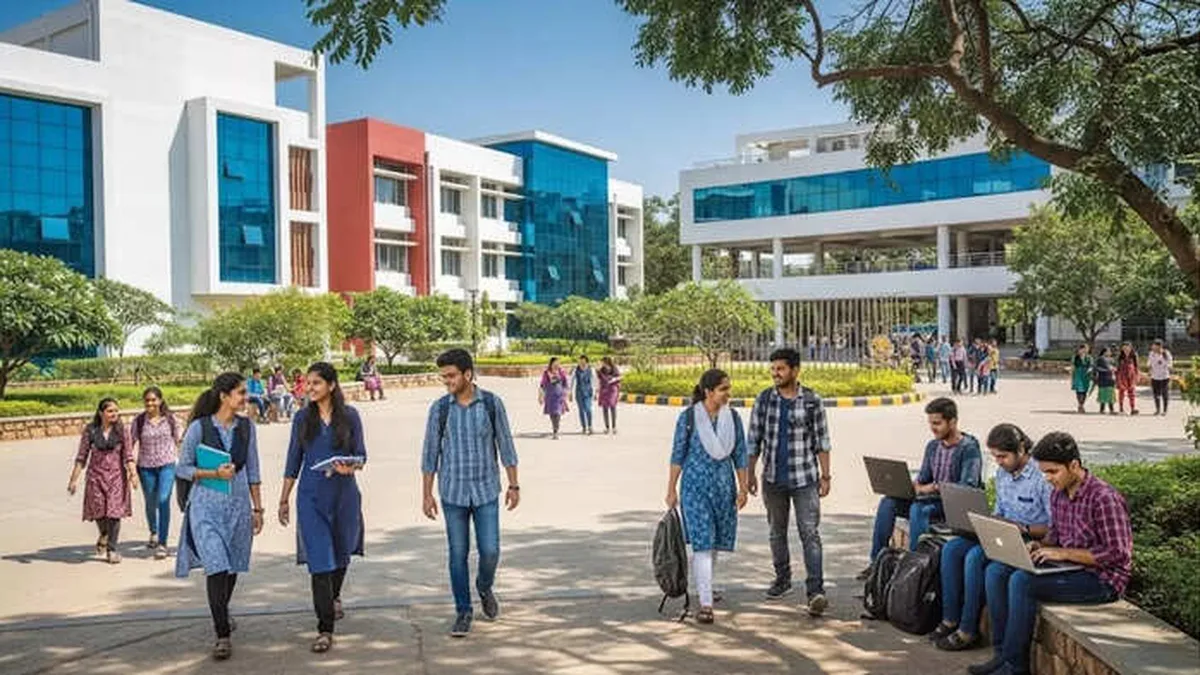
The SDEF India Scholarship 2026-27 offers up to Rs 50,000 a year, renewable for four years, to first-year students of professional courses such as B.Tech, MBBS, BDS and B.Arch. That adds up to Rs 2 lakh across a degree. The foundation’s official page lists October 31, 2026 as the last date to apply.
Fees are the biggest reason many students worry after getting a seat. Engineering and medical colleges can charge lakhs a year, and families often take loans to cover it. This scholarship, run by the Swami Dayanand Education Foundation (SDEF), a registered non-profit, is meant exactly for such families. It is a merit-cum-means award, which means it looks at both your marks and your family’s income.
There is a catch worth knowing early. Rs 50,000 is the maximum yearly award, not a fixed amount. The actual sum depends on your entrance exam rank and your board marks. Still, even a partial award cuts a real chunk off the annual fee bill.
Who can apply: first-year students with 80% in Class 12
SDEF has kept the eligibility rules strict, so check each line before you start the form.
You must be entering the first year of a full-time professional undergraduate programme in India in the 2026-27 academic year. The courses on the list are B.Tech or B.E., MBBS, BDS and B.Arch. SDEF’s listings also cover nursing, pharmacy and veterinary science programmes.
You need at least 80% marks, or the equivalent CGPA, in your Class 12 board examination. Your family’s total annual income from all sources must be Rs 12,00,000 or less. And you must not have taken a drop or gap year after Class 12. That last rule is a hard one. Repeaters who took a year off to prepare for JEE or NEET cannot apply, however good their rank.
You also have to meet the entrance exam and academic criteria SDEF has set for your course. Applications for merit-cum-means scholarships like this one always ask for scorecards, so keep yours ready.
What you actually get: up to Rs 50,000 a year, paid to your college
Selected students receive up to Rs 50,000 per academic year. The scholarship renews every year for up to four years, subject to an annual review of your academic performance and continued eligibility. The money is disbursed once a year directly into your college or university account. It must go toward approved educational expenses, so plan accordingly.
The money goes to your college, not your bank account. Budget for hostel, travel and other outside costs separately.
One important point about renewal: the award is not automatic. If you develop backlogs or stop meeting the conditions, the foundation can discontinue the scholarship partway through your degree. Keeping your grades up is part of the deal.
The dates you cannot afford to miss
Applications opened on August 15, 2026. The last date to apply is October 31, 2026, as listed on SDEF’s official page. Selection notifications are planned for mid-November 2026, and funding begins in January 2027. With a week left, start now rather than on the last day.
Shortlisted candidates go through further assessment and selection stages, including an online assessment and a personal interview. If you are also looking at other options, the PM-USP scholarships have opened 82,000 fresh awards for 2026-27 with the same October 31 deadline, and the Aditya Birla Capital Scholarship is open to girl students this session.
How to apply in five steps
- Visit the official SDEF scholarship page and read the applicant handbook.
- Download the SDEF Scholar Pledge, print it, sign it and scan it. This is required from every applicant.
- Scan your documents before starting: recent photograph, Aadhaar card, Class 10 and Class 12 marksheets, entrance exam scorecard, admission letter, college fee receipt and family income proof. The form also asks for a recent utility bill and photographs of your residence.
- Fill the online form carefully. Applications are accepted online only. Write your answers yourself. SDEF treats false information, fabricated documents and AI-generated responses as grounds for disqualification.
- Save your progress as you go and submit well before October 31, 2026.
Frequently asked questions
I took a drop year after Class 12 to prepare for JEE. Can I apply?
No. Students who took a drop or gap year after Class 12 are not eligible, regardless of their entrance rank. The scholarship is only for students entering the first year of a professional course without a gap.
Will the scholarship money come to my bank account?
No. The amount is disbursed once a year directly into your college or university account, and it must be used for approved educational expenses.
Does meeting the eligibility criteria guarantee I will get the scholarship?
No. Eligibility only makes you eligible to apply. Final selection weighs academic merit, financial need, the documents you submit, the authenticity of your application, and your performance in the assessment and interview stages.
When will I know the result?
SDEF plans to send selection notifications in mid-November 2026, and funding for selected scholars begins in January 2027.
Frequently Asked Questions
I took a drop year after Class 12 to prepare for JEE. Can I apply for the SDEF India Scholarship 2026-27?
No. Students who took a drop or gap year after Class 12 are not eligible, regardless of their entrance rank. The scholarship is only for students entering the first year of a professional course without a gap.
Will the scholarship money come to my bank account?
No. The scholarship amount is disbursed once a year directly into your college or university account, and it must be used for approved educational expenses.
Does meeting the eligibility criteria guarantee I will get the scholarship?
No. Eligibility only makes you eligible to apply. Final selection weighs academic merit, financial need, the documents you submit, the authenticity of your application, and your performance in the assessment and interview stages.
When will I know the result of the SDEF India Scholarship 2026-27?
SDEF plans to send selection notifications in mid-November 2026, and funding for selected scholars begins in January 2027.